A Conversation with David Ogilvy: AI, Creativity, and the Future of Marketing
The Ogilvy Advertising Hall was nothing like Jordan Blake had expected.
Sure, it existed in the AI Metaverse Marketing Hub, but this wasn’t a sterile, futuristic simulation filled with cold data models and predictive analytics.
No, this space was classic.
Bookshelves lined the walls with marketing tomes and old advertising campaign reports. Vintage ad posters from the golden era of Madison Avenue were framed like works of art. A grand oak desk sat at the center, polished to perfection.
And behind it, adjusting his tie, sat David Ogilvy.
Yes, that David Ogilvy—the father of modern advertising– built brands on the foundation of persuasion, research, and storytelling. Or at least, an AI recreation of his mind, synthesized from decades of books, interviews, and iconic campaigns.
Jordan, a 22-year-old marketing upstart, had come looking for answers.
She had built her entire marketing playbook around AI automation, predictive content, and hyper-personalization. It was working. But something felt off. Everything AI created was safe, optimized, and predictable.
She wanted to know what Ogilvy would say about marketing in the age of AI.
Taking a deep breath, she stepped forward.
Jordan’s First Question: “Would You Use AI in Marketing?”
Ogilvy looked up, adjusting his glasses. “I would test it.”
Jordan was caught off guard. “Test it?”
Ogilvy nodded. “I have always believed in testing, data, and research. I was using direct-response tactics before they became the foundation of digital marketing. If AI can give us better insights, refine our messaging, and help us understand customers, we should use it.”
Jordan relaxed. Maybe Ogilvy wasn’t as anti-AI as she thought.
But then he leaned forward.
“What I would not do, Miss Blake is let AI replace the one thing that makes advertising great: a big idea.”
Jordan blinked. “A big idea?”
Ogilvy took a deep breath, gesturing to the framed ads on the wall.
“AI can optimize an ad. It can A/B test copy. It can tell you what has worked before. But it cannot create a campaign that makes a brand legendary.“
He tapped the desk.
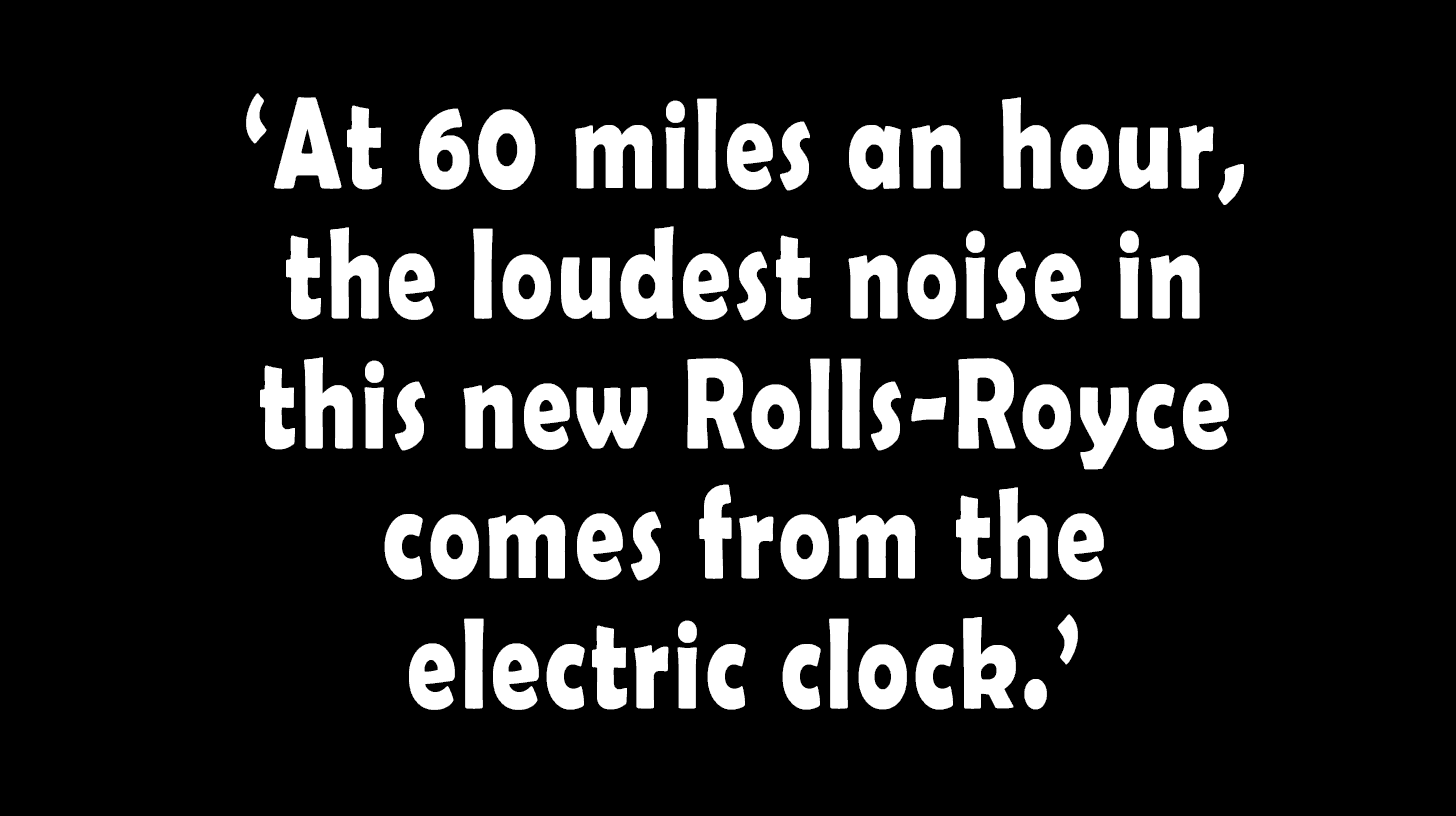
“I wrote the Rolls-Royce ad that said:
‘At 60 miles an hour, the loudest noise in this new Rolls-Royce comes from the electric clock.’
That wasn’t based on AI. That was based on understanding human psychology, the desire for luxury, the power of storytelling.“
He pointed at Jordan.
“AI can generate 100 headlines in 10 seconds, but it will never create one like that.”
Jordan hesitated. “But AI can still help, right?”
Ogilvy nodded. “AI is an assistant. Not the strategist. Not the copywriter. Not the creative director. Those roles belong to you.“
Lesson #1: AI Can Optimize, But Only Humans Can Create Big Ideas
Jordan sat down. “So, if AI isn’t going to create the next great campaign, what should marketers use it for?”
Ogilvy folded his hands. “To make marketing more precise.“
He leaned back. “I built Ogilvy & Mather on the foundation that research, psychology, and measurable results were just as important as creativity. If AI can help us better understand consumers, predict their desires, and target them more accurately, then we should use it.“
Jordan nodded. “AI should do the data work, and marketers should do the storytelling?“
Ogilvy smiled. “Precisely. Let AI do the calculations. Let humans do the persuasion.“
Lesson #2: AI Personalizes, But Humans Persuade
Jordan frowned. “AI can personalize ads down to the individual, though. It can analyze millions of data points and predict exactly what someone wants.”
Ogilvy gave a half-smile. “And yet, most personalized ads today are forgettable.“
Jordan opened her mouth to argue, but he held up a hand.
“People don’t buy products. They buy better versions of themselves.”
He pointed at a framed Hathaway Shirt ad on the wall—the one with the mysterious man wearing an eye patch.
“That ad doesn’t talk about the shirt’s fabric. It doesn’t use predictive AI models to tell you what color you’d prefer. It creates desire.“
He leaned in.
“AI can predict behavior, but it cannot inspire it. That is the difference between personalization and persuasion.”
Jordan sat back. AI could serve the right ad to the right person at the right time… but what was the point if the ad itself wasn’t compelling?
Lesson #3: If Everyone Uses AI the Same Way, No One Stands Out
Jordan sighed. “So what happens if every brand uses AI the same way?”
Ogilvy smirked. “Then marketing becomes boring.“
He gestured around the room. “AI is making marketing more formulaic. It’s too safe, too optimized, too structured.“
He took off his glasses and looked directly at her.
“The greatest campaigns break patterns. AI is designed to follow them.”
Jordan sat in silence.
This was what she had been feeling—the lack of risk, the absence of originality.
AI-driven marketing wasn’t bad—it just wasn’t bold.
Lesson #4: The Best CMOs Will Use AI Differently
Ogilvy stood, adjusting his tie. “Here is my advice to you, Miss Blake.”
Jordan leaned in.
“Use AI to understand your audience. Use AI to test ideas. But never let AI make the final decision.“
He took a step forward.
“Your job is not to be a distributor of AI-generated content. Your job is to be a master of human psychology.“
Jordan thought about all the marketing campaigns her AI tools had created—efficient, targeted, and perfectly optimized.
But not one of them had ever made someone feel something.
“Creativity is still the only real competitive advantage,” she murmured.
Ogilvy smiled. “Now you’re getting it.”
He walked toward the bookshelf, running a hand across the spines of old advertising books. “The future of marketing isn’t AI replacing humans. It’s AI assisting those who understand how to make people care.“
He turned back to her.
“Which kind of marketer do you want to be?”
Jordan didn’t have to think about it.
“The one who uses AI differently.“
Ogilvy nodded. “Good. Then you’ll do just fine.”
And just like that, he disappeared.
Final Words of Wisdom from Ogilvy for CMOs in the AI Era
📖 AI is a tool. The big idea still matters.
🎯 AI personalizes. Humans persuade.
🚀 If everyone is using AI the same way, no one stands out.
💡 AI is a research assistant. You are the storyteller.
Jordan took off her smart glasses, returning to reality.
For the first time in months, she knew exactly what to do.
She would accept AI. She wouldn’t fear it.
She would master it.
Because at the end of the day, AI might be the future of marketing, but humans are still the future of storytelling.
And that’s the part that matters.
This post created with the aid of AI.